The chef is a genius, true Italian! Pasta is so tasty, best in Bavaria. Must to visit if you’re nearby.
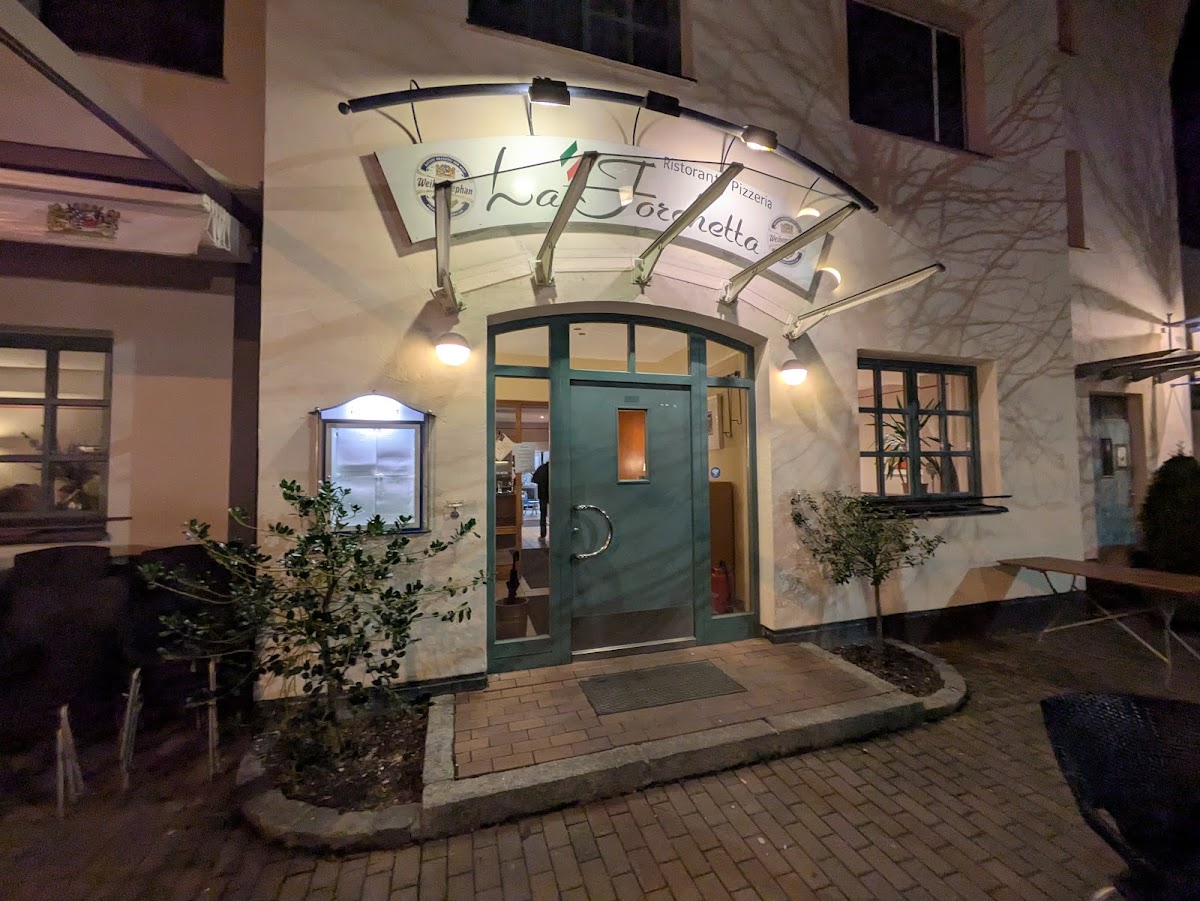
Overview
If you ever find yourself wandering through Leinbergerstraße 16, 85368 Moosburg an der Isar, Germany, and craving honest Italian cooking, La Forchetta is the kind of place that quietly wins you over. I stopped in on a rainy Thursday evening after hearing several locals mention it in glowing reviews, and what struck me first wasn’t just the aroma of fresh pizza dough baking in a stone oven-it was the relaxed, neighborhood vibe that made everyone feel like a regular.
The menu leans heavily into traditional Italian cuisine, but it does so with confidence. You’ll find classic antipasti like bruschetta topped with ripe tomatoes and basil, creamy burrata served with olive oil and sea salt, and a selection of pasta dishes that feel thoughtfully prepared rather than rushed. I ordered the tagliatelle al ragù, and the sauce had clearly been simmered for hours. Slow cooking like this isn’t just about flavor; culinary research from organizations such as the Italian Academy of Cuisine highlights how long, gentle simmering enhances depth and texture in meat-based sauces. You can taste that care here.
Their pizza deserves special mention. Made with a dough that ferments for over 24 hours, it arrives with a light, airy crust and that slightly charred edge typical of authentic Italian pizzerias. Long fermentation isn’t a trend-it’s a technique supported by food science. According to baking experts and research published in food microbiology journals, extended fermentation improves digestibility and develops more complex flavors. Whether you go for a simple Margherita or a prosciutto-topped creation, the balance between sauce, mozzarella, and crust feels spot on.
What I appreciated most, though, was the transparency. The staff gladly explained where ingredients come from. Many vegetables are sourced locally from Bavarian farms, while key items like Parmigiano Reggiano and San Marzano tomatoes are imported directly from Italy. That blend of local sourcing and imported essentials reflects a commitment to authenticity without ignoring sustainability. The World Health Organization often emphasizes the value of fresh produce and balanced diets, and restaurants that prioritize quality ingredients naturally support that approach.
Service is warm without being intrusive. During my visit, the owner stopped by tables to check in personally, something you don’t see everywhere anymore. It reminded me of dining experiences in small towns across Italy, where hospitality is just as important as the food. Reviews online consistently highlight this personal touch, and from what I observed, it’s genuine. Even when the dining room filled up, the team managed timing well-drinks arrived promptly, courses were spaced comfortably, and no one felt rushed.
The dessert menu is short but carefully curated. The tiramisu, made in-house, avoids being overly sweet. Instead, it balances mascarpone cream with espresso-soaked ladyfingers in a way that feels refined. I’ve tasted dozens of tiramisus over the years, and this one ranks high because it respects the original method-layered carefully, chilled properly, and served fresh daily. That attention to process matters.
As for practical details, the location in Moosburg an der Isar makes it accessible for both locals and visitors exploring the area. Parking nearby is manageable, and the dining space itself is cozy yet comfortable, with rustic wooden tables and subtle Italian décor. It’s not flashy, but that’s part of the charm. You come here for the food, the atmosphere, and the sense that someone genuinely cares about what lands on your plate.
Of course, no restaurant is perfect. On busier evenings, it’s wise to reserve ahead, especially on weekends. The popularity speaks volumes, but it can mean waiting if you arrive without a booking. Still, in my experience, the quality remains consistent even when the house is full-a sign of a well-managed kitchen and experienced team.
From carefully fermented pizza dough to thoughtfully sourced ingredients and warm hospitality, this spot delivers more than just a meal. It offers a dining experience rooted in tradition, supported by sound culinary methods, and shaped by people who clearly understand what makes Italian food so universally loved.
Good to know
Service options
✓ Outdoor seating ✓ Takeaway ✓ Dine-inHighlights
✓ Great coffee ✓ Great wine listPopular for
✓ Lunch ✓ Dinner ✓ Solo diningAccessibility
✓ Wheelchair-accessible car park ✓ Wheelchair-accessible entrance ✓ Wheelchair-accessible seating ✓ Wheelchair-accessible toiletOfferings
✓ Alcohol ✓ Beer ✓ Coffee ✓ Healthy options ✓ Late-night food ✓ Quick bite ✓ Spirits ✓ Vegetarian options ✓ WineDining options
✓ Lunch ✓ Dinner ✓ Dessert ✓ Seating ✓ Table serviceAmenities
✓ Bar on site ✓ ToiletAtmosphere
✓ Casual ✓ Cosy ✓ Romantic ✓ TrendyCrowd
✓ Groups ✓ TouristsPlanning
✓ Dinner reservations recommended ✓ Accepts reservationsPayments
✓ Credit cards ✓ Debit cards ✓ NFC mobile payments ✓ Credit cardsChildren
✓ Good for kids ✓ High chairs ✓ Kids' menuParking
✓ Free parking lot ✓ Paid parking lot ✓ ParkingPhotos
1 / 4
Location
Reviews
- No ratings yet 403 reviews
Good food, great service, but it is a bit short of overall italian place atmospehere.
Great food, good prices (especially Takeout) and very friendly staff! I will keep coming back.
Good food, nice service, always special food on the day menu, fair price quality ratio
Very simple Italian restaurant. Good prices, good pizzas and you can pay by card.